
When Do You Need Home Physiotherapy in Gurgaon?
A practical guide to 7 situations where assessment-led physiotherapy at home may support movement, strength, rehabilitation and day-to-day function.
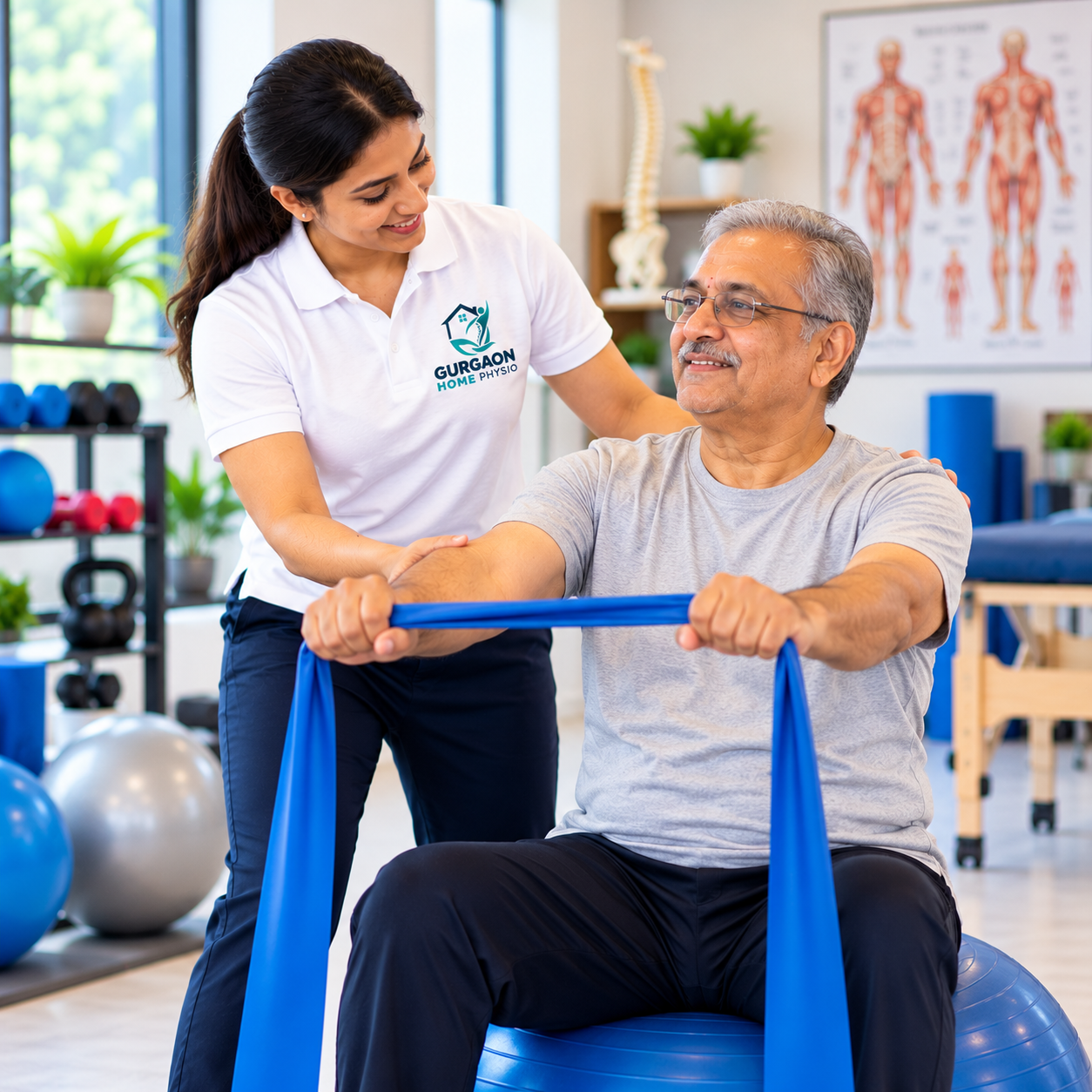
Physiotherapy can support problems involving movement, strength and function. It is used for conditions including arthritis, back or neck pain, sports injuries, movement problems after stroke and recovery after surgery. In some situations, a home visit may be practical when getting to a clinic or hospital is difficult.
What Does Home Physiotherapy Actually Mean?
Home physiotherapy is not simply a list of exercises delivered to the doorstep. A useful first visit should begin with the person's symptoms, medical history, mobility, goals and current level of function.
A physiotherapist may assess joint movement, muscle strength, balance, transfers, walking and everyday activities. Treatment may include therapeutic exercise, movement practice, advice, a home exercise plan and selected hands-on techniques where appropriate.
The home environment adds an important practical layer. Rehabilitation can use the exact chair, bed, corridor or stairs the person struggles with every day.
Home physiotherapy works best when it is individual.
The same diagnosis can affect two people very differently. Exercise selection and progression should reflect symptoms, precautions, physical ability and functional goals.
7 Situations Where Home Physiotherapy May Be Helpful
Joint Pain, Back Pain, Neck Pain or Arthritis Is Limiting Daily Movement
Pain does not automatically mean a person should stop moving. For many musculoskeletal problems, physiotherapy focuses on restoring movement confidence, strength and physical function.
For osteoarthritis, NICE recommends tailored therapeutic exercise such as local muscle strengthening and general aerobic fitness. A home visit may be especially useful when the real challenge is standing from a chair, walking to the bathroom or managing stairs.
You Have Recently Returned Home After Surgery
Surgery can temporarily reduce strength, mobility and confidence. Physiotherapy is commonly used to help improve movement, strength and stamina after an operation.
Depending on the surgery, rehabilitation may include bed mobility, sit-to-stand, use of a walker or crutches, range-of-motion work, strengthening, balance and walking. The surgeon's instructions come first: weight-bearing limits, brace use and movement precautions should guide progression.
Stroke or a Neurological Condition Has Affected Movement
After stroke, a person may have one-sided weakness, altered sensation, poor balance, difficulty walking or problems with transfers. Stroke rehabilitation is usually multidisciplinary, and physiotherapy may be one part of that wider plan.
NICE guidance supports goal-based stroke rehabilitation and includes task-specific work such as transfers, walking and upper-limb activity for suitable patients. Home rehabilitation can make those tasks directly relevant to the person's real environment.
An Older Adult Is Becoming Weaker or Less Confident Walking
Reduced activity can contribute to further weakness and loss of confidence. For suitable older adults, home physiotherapy may focus on sit-to-stand, strength, balance, walking and safe movement around the home.
The advantage is practical: the physiotherapist can assess the actual chair height, bathroom route, bed setup and walking environment. Repeated falls, sudden deterioration, dizziness or unexplained new weakness may require medical review.
A Sports Injury Has Reduced Strength, Balance or Return-to-Training Confidence
Suitable sprains, muscle strains and selected overuse problems may benefit from progressive rehabilitation. The programme may move from comfortable range of motion to strength, balance, movement control and sport-specific loading.
Return to sport should not be based on pain relief alone. Strength, balance, confidence and load tolerance also matter. Suspected fractures, dislocations, severe swelling, numbness or inability to bear weight should be medically assessed first.
Travelling to a Clinic Is Itself a Major Physical Challenge
Home physiotherapy may be practical when repeated travel requires difficult transfers, prolonged sitting aggravates symptoms or the person depends heavily on a caregiver for transport.
The NHS notes that when a person's condition prevents them getting to a surgery or hospital, a physiotherapist may be able to visit at home. Convenience alone should not drive clinical decisions, but reducing unnecessary travel can make rehabilitation more workable for selected patients.
A Family Caregiver Needs Safer Guidance for Transfers and Daily Movement
Caregivers often help with bed mobility, standing, chair transfers or walking. Without guidance, both the patient and caregiver can be placed at risk.
In suitable cases, home physiotherapy can include caregiver education on how much assistance to provide, positioning, use of mobility aids and safer transfer techniques. Complex pressure care, swallowing, cognition or daily-living needs may require other rehabilitation professionals too.
What Usually Happens During the First Home Physiotherapy Visit?
A first visit should be more than simply demonstrating exercises. The physiotherapist needs to understand what the person can do, what is difficult and what may be unsafe.
| Part of visit | What may be reviewed | Why it matters |
|---|---|---|
| History | Symptoms, diagnosis, surgery, medical history and precautions | Helps identify whether physiotherapy is appropriate. |
| Movement | Joint range, bed mobility, sitting, standing and transfers | Shows how the problem affects real activity. |
| Strength & balance | Muscle performance, postural control and stability | Guides safe exercise selection. |
| Walking | Gait, endurance, mobility aid and household route | Links rehab to independence and falls risk. |
| Goals | What the patient actually wants to do better | Keeps treatment meaningful and measurable. |
| Home programme | Selected exercises and activity advice | Supports progress between visits. |
The NHS describes first physiotherapy appointments similarly: the physiotherapist asks about symptoms, medical history and lifestyle and may assess factors such as strength and balance before discussing treatment options.
When Home Physiotherapy Is Not the First Step
Do not wait for a routine physiotherapy visit if there may be a medical emergency.
Examples include sudden facial droop, new one-sided weakness or speech difficulty; sudden paralysis; severe chest pain or breathing difficulty; major trauma; new bladder or bowel control loss with neurological symptoms; a hot, red, very swollen joint with fever; or serious post-operative symptoms such as sudden breathlessness or suspected blood clot. Seek urgent medical care according to the situation.
How Should You Choose a Home Physiotherapist?
Do not judge only by promises of quick relief. A better service should be able to explain what is being assessed, what the rehabilitation goals are and how progress will be reviewed.
- Is this condition suitable for home physiotherapy, or should a doctor review it first?
- What will be assessed during the first visit?
- What are the short-term and longer-term goals?
- Which exercises should be done between visits?
- How will progress be measured?
- Are there surgery, neurological or medical precautions?
- When should the patient be referred to another professional?
Home Physiotherapy vs Clinic Physiotherapy: Which Is Better?
Neither setting is automatically better for every person. Clinics may offer equipment and a controlled environment. Home physiotherapy can offer practical training inside the person's real environment and reduce difficult travel for selected patients.
The best setting depends on the condition, mobility, medical needs and rehabilitation goals. Some patients may use both settings at different stages.
Final Takeaway
Home physiotherapy can be valuable when pain, weakness, surgery, stroke, ageing, sports injury or reduced mobility makes everyday movement difficult. Its value is highest when treatment is assessment-led, goal-based and progressive.
If you are looking for home physiotherapy in Gurgaon, share the condition or surgery, current mobility, major symptoms and Gurgaon location when making the first enquiry.
Home Physiotherapy in Gurgaon FAQs
Suitable patients may include people with mobility-limiting joint or muscle problems, post-surgery rehabilitation needs, stroke or neurological movement problems, senior mobility issues or selected sports injuries.
The physiotherapist may review symptoms, medical history, movement, strength, balance, transfers, walking and functional goals before planning suitable exercises and advice.
It may be suitable for selected patients, but the programme must follow surgeon or hospital instructions including weight-bearing and movement precautions.
Suitable patients may receive home physiotherapy for post-stroke mobility, weakness, balance, transfers and walking goals as part of a broader stroke-rehabilitation pathway.
NICE recommends tailored therapeutic exercise for osteoarthritis, including local muscle strengthening and general aerobic fitness.
Not automatically. Home physiotherapy can be useful for real-environment training and people who find travel difficult, while clinics may offer equipment and a controlled setting.
There is no fixed number. Frequency and duration depend on the condition, goals, medical precautions and response to rehabilitation.
Call or WhatsApp +91 96673 11094 and share the patient's condition, current mobility and Gurgaon location to discuss suitability and availability.
Need help deciding whether home physiotherapy is suitable?
Share the condition, current mobility, relevant medical instructions where applicable and Gurgaon location.